

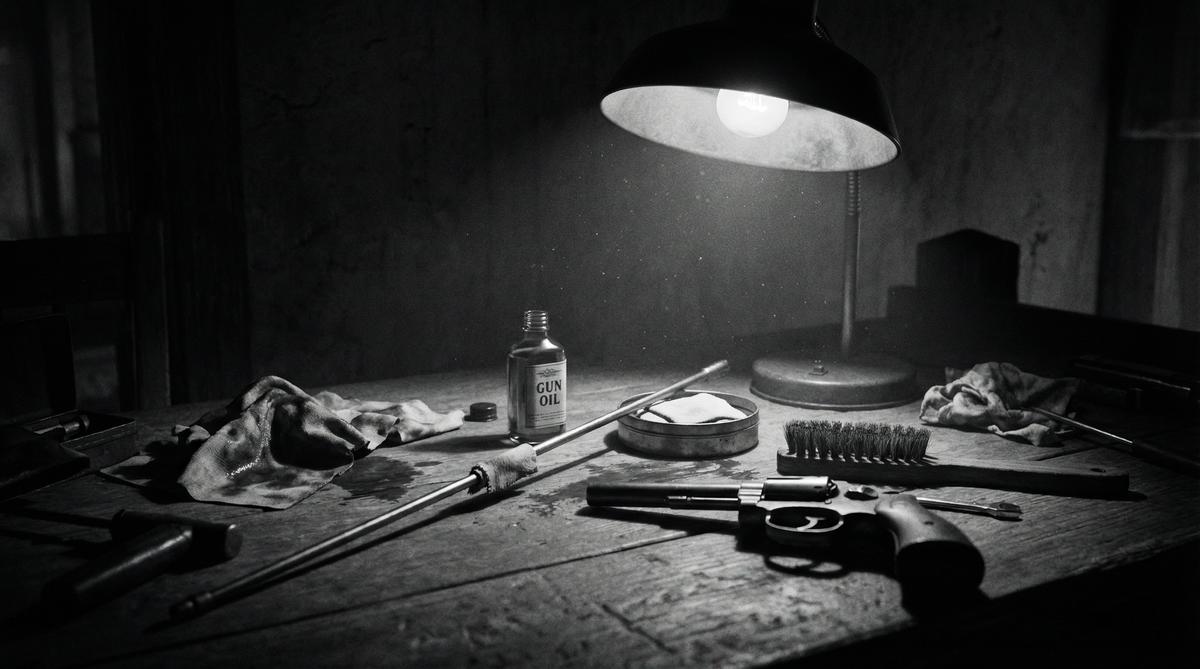
Maintenance That Actually Matters: A 20-Minute Cleaning Routine for New Owners
A simple, safe maintenance routine for new owners—what to do, what not to overdo, and how to stay within manufacturer guidance.
Firearm Maintenance and Cleaning: Essential Care for Your Investment
As a responsible firearm owner, you understand that your firearm is more than just a tool; it's a precision instrument and a significant investment. Just like any high-performance machine, it requires regular care and maintenance to function at its peak. This guide will provide you with the essential knowledge to clean and maintain your firearm, ensuring its reliability, safety, and longevity for years to come. Whether you're a new owner or a seasoned enthusiast, mastering the art of firearm maintenance is a rewarding and critical aspect of ownership.
Why Regular Maintenance is Crucial
Neglecting firearm maintenance can have serious consequences, ranging from decreased performance to dangerous malfunctions. Understanding the "why" behind regular cleaning will motivate you to make it a consistent habit.
Safety
A dirty or poorly maintained firearm is a safety hazard. Carbon buildup, debris, or obstructions in the barrel can lead to catastrophic failures. For instance, a "squib load," where a bullet is lodged in the barrel, can cause the firearm to explode if another round is fired. Regular cleaning and inspection can prevent such dangerous situations, ensuring the safety of you and those around you.
Reliability
Whether you use your firearm for sport, defense, or hunting, you need it to function flawlessly every time. A firearm that is not regularly cleaned can experience malfunctions such as failure to feed, failure to eject, or light primer strikes. These issues can be frustrating at the range and potentially life-threatening in a self-defense scenario. Consistent maintenance ensures that your firearm will be reliable when you need it most.
Longevity and Value
Firearms are a significant financial investment. Proper care and maintenance will protect your firearm from rust, corrosion, and premature wear, preserving its value over time. A well-maintained firearm will not only last a lifetime but can also become a cherished heirloom passed down through generations. Regular cleaning is the best insurance you can have for your investment.
Accuracy
For those who enjoy precision shooting, a clean firearm is essential for achieving optimal accuracy. Carbon and copper fouling in the barrel can affect the bullet's trajectory, leading to inconsistent shot placement. By keeping your barrel clean, you ensure that your firearm is capable of performing to its full potential, allowing you to achieve tighter groups and more consistent results.
Getting Started: Your Cleaning Kit
Before you can begin cleaning your firearm, you need to have the right tools for the job. A well-stocked cleaning kit is a must-have for any firearm owner. While there are many all-in-one kits available, you can also build your own with high-quality components tailored to your specific firearms.
Essential Tools
* Cleaning Rod: A one-piece carbon fiber or coated steel rod is ideal to prevent damage to the barrel's rifling. Ensure it is the correct length and caliber for your firearm.
* Bore Brush: You will need a bore brush specific to your firearm's caliber. Bronze brushes are effective for removing stubborn fouling, while nylon brushes are gentler and suitable for regular cleaning.
* Cleaning Jag and Patches: A jag is a pointed tip that attaches to the cleaning rod to hold a cleaning patch snugly. This ensures the patch makes full contact with the bore. Patches should be the correct size for your caliber.
* Cleaning Solvents: Different solvents are formulated to remove different types of fouling. A good quality powder solvent will remove carbon buildup, while a copper solvent will be needed to remove copper jacket fouling.
* Lubricant/Protectant: After cleaning, a quality firearm lubricant is essential to protect against rust and ensure smooth operation. A popular choice is a CLP (Cleaner, Lubricant, Protectant) which can be used for all three steps, but dedicated products often perform better.
* Utility Brushes: Nylon utility brushes, similar to toothbrushes, are perfect for scrubbing the action, slide, and other small parts.
* Microfiber Cloths or Rags: For wiping down the exterior of the firearm and other components.
* Safety Gear: Always wear safety glasses and nitrile gloves to protect your eyes and skin from solvents and lead residue.
Recommended Extras
* Bore Snake: A bore snake is a convenient tool for a quick clean at the range. It's a single piece of cord with a brush and mop integrated, allowing you to pull it through the barrel for a basic clean.
* Dental Picks and Q-tips: These are invaluable for reaching into the small nooks and crannies of the action where carbon can accumulate.
* Cleaning Mat: A dedicated cleaning mat provides a safe, non-slip surface to work on and helps to contain any spills or drips.
The Cleaning Process: A Step-by-Step Guide
Now that you have your cleaning kit ready, it's time to begin the cleaning process. Following a consistent, methodical approach will ensure a thorough job every time.
Safety First: Unloading and Clearing
Before you do anything else, you must ensure the firearm is completely unloaded and safe to handle. This is the most critical step in the entire process.
Once you have confirmed the firearm is unloaded, you can proceed with the cleaning process in a designated, well-ventilated area, free from any live ammunition.
Disassembly
For a routine cleaning, you will typically field strip your firearm. This involves disassembling it into its main components. Always refer to your firearm's owner's manual for the correct disassembly procedure, as it can vary significantly between models. For most semi-automatic pistols, this will involve removing the slide, barrel, and recoil spring assembly from the frame.
Cleaning the Barrel
The barrel is where most of the fouling accumulates, so it requires special attention.
Cleaning the Action/Frame and Slide
With the barrel clean, turn your attention to the other components. Use a nylon utility brush and solvent to scrub away carbon buildup on the slide, frame rails, breech face, and extractor. Dental picks and Q-tips can be used to clean hard-to-reach areas. Once clean, wipe all surfaces down with a clean, dry cloth.
Lubrication: Less is More
Proper lubrication is crucial for smooth and reliable function, but it's important not to overdo it. Excess oil can attract dirt and grime, leading to malfunctions. Apply a small drop of high-quality firearm lubricant to key friction points, including:
* Slide rails
* Barrel hood
* The outside of the barrel where it contacts the slide
* The recoil spring guide rod
Consult your owner's manual for specific lubrication points for your firearm.
Reassembly and Function Check
Once all parts are clean and lubricated, you can reassemble your firearm. After reassembly, it is essential to perform a function check to ensure everything is working correctly. This typically involves checking the trigger reset, the safety mechanism, and the slide lock. Again, refer to your owner's manual for the proper function check procedure for your specific firearm.
Special Considerations for California Firearm Owners
Living in California means navigating a unique set of firearm laws. While the principles of firearm maintenance are universal, there are a few specific points for California owners to keep in mind.
Magazine Maintenance
California law restricts magazine capacity for most firearms. These limited-capacity magazines still require regular cleaning to ensure reliable feeding. Disassemble your magazines periodically to clean the follower, spring, and inside of the magazine body. This is especially important if you frequent dusty or outdoor ranges, as debris can easily find its way into your magazines and cause feeding issues.
Firearm Storage and Transportation
California has strict laws regarding the storage and transportation of firearms. When not in your direct possession, a firearm must be stored in a locked container or a gun safe. After cleaning and lubricating your firearm, ensure it is stored in a dry environment to prevent rust. A silicone-treated gun sock can provide an extra layer of protection against moisture. When transporting a handgun, it must be unloaded and in a locked container. A clean and properly lubricated firearm is less likely to develop rust or corrosion during storage and transport.
Ammunition Regulations
California also has regulations regarding ammunition, including restrictions on lead ammunition for hunting in certain areas. If you are using non-lead ammunition, such as copper monolithic bullets, you may find that your cleaning regimen needs to be adjusted. Copper fouling can be more stubborn to remove than lead fouling, so you may need to use a copper-specific solvent and a more aggressive cleaning approach.
Common Mistakes to Avoid
Even with the best intentions, it's easy to make mistakes when cleaning your firearms. Here are a few common pitfalls to avoid:
* Over-lubricating: As mentioned earlier, too much oil can be just as bad as too little. It attracts and holds onto unburnt powder, dirt, and other debris, creating a gritty sludge that can cause malfunctions.
* Using the wrong tools: Never use a steel cleaning rod or brush in your barrel, as this can easily damage the rifling. Stick to carbon fiber or coated rods and bronze or nylon brushes.
* Neglecting magazines: A dirty magazine is a common cause of feeding problems. Don't forget to clean your magazines regularly.
* Improper storage: Storing a firearm in a foam-lined case for long periods can trap moisture and lead to rust. Use a gun safe with a dehumidifier or a silicone-treated gun sock for long-term storage.
Advanced Topics
For those who want to take their firearm maintenance to the next level, there are a few advanced topics to explore:
* Ultrasonic Cleaners: These devices use ultrasonic waves to clean firearm parts in a solvent bath. They can be very effective at removing carbon buildup from hard-to-reach areas, but they are not a substitute for a thorough manual cleaning.
* Professional Gunsmithing: For a deep clean or for any repairs or modifications, it's always best to consult a qualified gunsmith. They have the specialized tools and knowledge to keep your firearm in top condition.
Conclusion
Regular firearm maintenance is not just a chore; it is an integral part of responsible firearm ownership. By taking the time to clean and care for your firearm, you are ensuring its safety, reliability, and longevity. A clean firearm is a more accurate and enjoyable firearm to shoot. We hope this guide has provided you with the knowledge and confidence to make firearm maintenance a regular and rewarding part of your shooting experience. Remember, a well-maintained firearm is a testament to a disciplined and respectful owner.
Last updated: January 31, 2026
Have Questions?
Our team at Los Angeles Firearms Co. is here to help. Contact us for personalized guidance on California compliance and firearm purchases.
Contact Us