

Ammo 101: Calibers We Actually See Customers Confuse (and How Not To)
Avoid costly ammo mistakes: common caliber mix-ups, how to read boxes correctly, and safe storage tips.
Caliber Confusion: Choosing the Right Ammunition for Your Firearm
Choosing the right ammunition for your firearm is one of the most critical decisions you'll make as a gun owner. It's a choice that directly impacts your firearm's performance, your safety, and the reliability of your equipment. The world of ammunition can be a confusing landscape of numbers, acronyms, and technical jargon. This guide will demystify the process, providing you with the knowledge to confidently select the perfect ammunition for your needs.
Understanding the Basics: What is Caliber?
In the simplest terms, caliber refers to the diameter of the bullet, which in turn corresponds to the diameter of the barrel of the firearm. This measurement is expressed in one of two ways: in hundredths of an inch (e.g., .45 ACP) or in millimeters (e.g., 9mm). While the United States has traditionally favored imperial measurements, the global nature of the firearms industry has made metric measurements increasingly common.
It is absolutely crucial to match the caliber of your ammunition to the caliber of your firearm. Using the wrong caliber can lead to a catastrophic failure of the firearm, resulting in serious injury or even death. Your firearm's barrel will be clearly marked with the correct caliber. Always double-check to ensure you are using the correct ammunition.
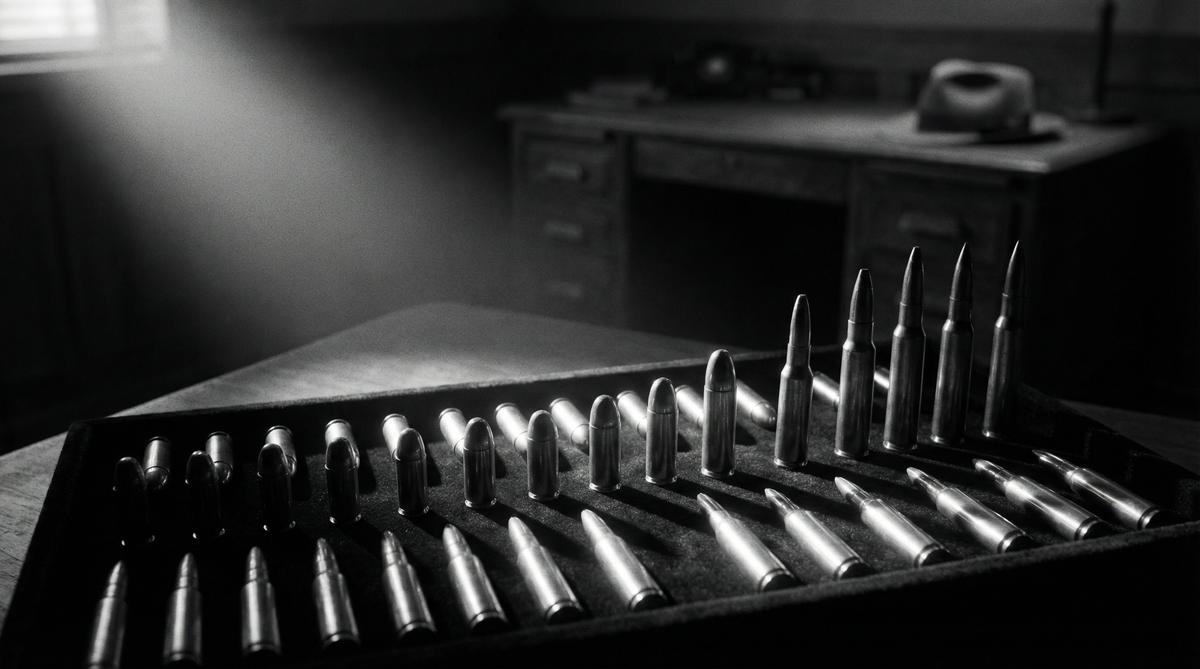
Here are some of the most common calibers you'll encounter:
Pistol Calibers:
* 9mm Luger: The most popular pistol caliber in the world, offering a fantastic balance of manageable recoil, high capacity, and proven effectiveness.
* .45 ACP: A classic American cartridge, known for its stopping power and use in the iconic 1911 pistol.
* .380 ACP: A smaller, lighter-recoiling cartridge popular in compact, concealable handguns.
* 10mm Auto: A powerful cartridge that has seen a resurgence in popularity in recent years, offering a significant step up in power from the 9mm.
Rifle Calibers:
* 5.56x45mm NATO/.223 Remington: The standard for AR-15 platform rifles, prized for its high velocity, flat trajectory, and light recoil.
* .308 Winchester/7.62x51mm NATO: A versatile and powerful cartridge, popular for hunting, long-range shooting, and as a military sniper round.
* 7.62x39mm: The cartridge of the AK-47, known for its rugged reliability and effectiveness at intermediate ranges.
Ammunition Components: More Than Just a Bullet
A round of ammunition, correctly called a cartridge, is more than just the bullet. It's a self-contained unit that consists of four key components:
* The Bullet: This is the projectile that is launched from the firearm. Bullets come in a wide variety of styles, each designed for a specific purpose. We'll delve deeper into bullet types later in this guide.
* The Casing: The casing, typically made of brass or steel, is the container that holds all the other components together. After the cartridge is fired, the casing is ejected from the firearm.
* The Primer: The primer is a small, impact-sensitive chemical compound located at the base of the cartridge. When the firing pin of the firearm strikes the primer, it creates a small explosion that ignites the propellant.
* The Propellant: Also known as gunpowder, the propellant is a chemical mixture that, when ignited by the primer, burns rapidly and creates a large volume of gas. This gas pressure is what propels the bullet down the barrel of the firearm.
Matching Ammunition to Your Firearm's Purpose
The best ammunition for you will depend on how you intend to use your firearm. Let's explore some common applications and the ammunition best suited for each.
Self-Defense:
When your life is on the line, you need ammunition that you can count on to stop a threat decisively. For this reason, Jacketed Hollow Point (JHP) ammunition is the overwhelming choice for self-defense. Unlike FMJ ammunition, which is designed to punch clean holes, JHP ammunition is designed to expand upon impact. This expansion creates a larger wound channel, transferring more energy to the target and increasing the likelihood of incapacitation. This design also reduces the risk of over-penetration, which is a critical consideration in a home defense scenario where you need to be mindful of innocent people in other rooms.
Target Shooting and Training:
For a day at the range, your primary concerns are reliability and affordability. This is where Full Metal Jacket (FMJ) ammunition shines. FMJ rounds are typically less expensive than their JHP counterparts, allowing you to get in more practice without breaking the bank. The design of the FMJ bullet also makes it ideal for target practice, as it produces clean, easy-to-score holes in paper targets. Furthermore, the harder jacket material of an FMJ bullet is less likely to damage steel targets, which is an important consideration for many shooting ranges.
Hunting:
Hunting requires ammunition that is not only accurate but also capable of ethically and humanely harvesting game. The specific type of hunting ammunition you choose will depend on the size of the game you are pursuing. For smaller game, a rapidly expanding bullet may be desirable to ensure a quick kill. For larger, tougher game, a bullet that offers controlled expansion and deep penetration is essential. Common types of hunting bullets include Soft Point (SP) and Ballistic Tip ammunition. It is also critical to be aware of local hunting regulations, as many jurisdictions, including California, have specific requirements regarding the use of lead-free ammunition.
Competition Shooting:
In the world of competitive shooting, every fraction of a second counts. Ammunition for competition is often tailored to the specific discipline, with an emphasis on accuracy, consistency, and manageable recoil. Many competitive shooters use Open Tip Match (OTM) or similar high-performance rounds that are manufactured to extremely tight tolerances. These rounds are designed to deliver the utmost in consistency from shot to shot, which is essential for achieving the level of accuracy required to win matches.
California Ammunition Laws: What You Need to Know
California has some of the strictest ammunition laws in the United States. It is essential for all California firearms owners to be aware of and comply with these regulations.
* Background Checks for Ammunition Purchases: In California, you must undergo a background check every time you purchase ammunition. This process is similar to the background check required to purchase a firearm.
* Online Ammunition Sales: You can still purchase ammunition online, but it must be shipped to a licensed ammunition vendor in California. You will then need to go to the vendor's location to complete the background check and pick up your ammunition.
* Prohibited Ammunition: California law prohibits the sale and possession of certain types of ammunition, including armor-piercing and tracer rounds.
* Lead-Free Ammunition for Hunting: As of July 1, 2019, all hunters in California are required to use certified non-lead ammunition when taking any wildlife with a firearm.
Reading the Box: How to Decode Ammunition Labels
The information printed on a box of ammunition can be confusing, but it contains vital information about the cartridges inside. Here's a breakdown of what you'll typically find:
* Caliber: The most prominent information on the box will be the caliber of the ammunition.
* Bullet Weight: The weight of the bullet is measured in grains (gr). A heavier bullet will generally have more recoil and a more arched trajectory, while a lighter bullet will have less recoil and a flatter trajectory.
* Bullet Type: The box will also indicate the type of bullet, such as FMJ, JHP, or SP.
* Muzzle Velocity: This is the speed of the bullet as it leaves the barrel of the firearm, measured in feet per second (fps). A higher muzzle velocity generally results in a flatter trajectory and more energy on target.
Common Mistakes to Avoid
* Using the Wrong Caliber: This is the most dangerous mistake you can make. Always double-check that you are using the correct ammunition for your firearm.
* Not Testing Your Self-Defense Ammunition: You should always fire at least a few magazines of your chosen self-defense ammunition through your carry gun to ensure that it functions reliably.
* Improper Ammunition Storage: Ammunition should be stored in a cool, dry place to prevent corrosion and degradation.
* Using Damaged Ammunition: Never use ammunition that is dented, corroded, or otherwise damaged.
Conclusion
Choosing the right ammunition is an essential part of responsible firearm ownership. By understanding the basics of caliber, ammunition components, and the different types of ammunition available, you can make an informed decision that will enhance your shooting experience and ensure your safety. At Los Angeles Firearms Co., our team of experts is always here to help you navigate the world of ammunition and find the perfect match for your firearm and your needs. Visit us today to explore our wide selection of premium ammunition and experience the difference that quality and expertise can make.
Last updated: January 31, 2026
Have Questions?
Our team at Los Angeles Firearms Co. is here to help. Contact us for personalized guidance on California compliance and firearm purchases.
Contact Us